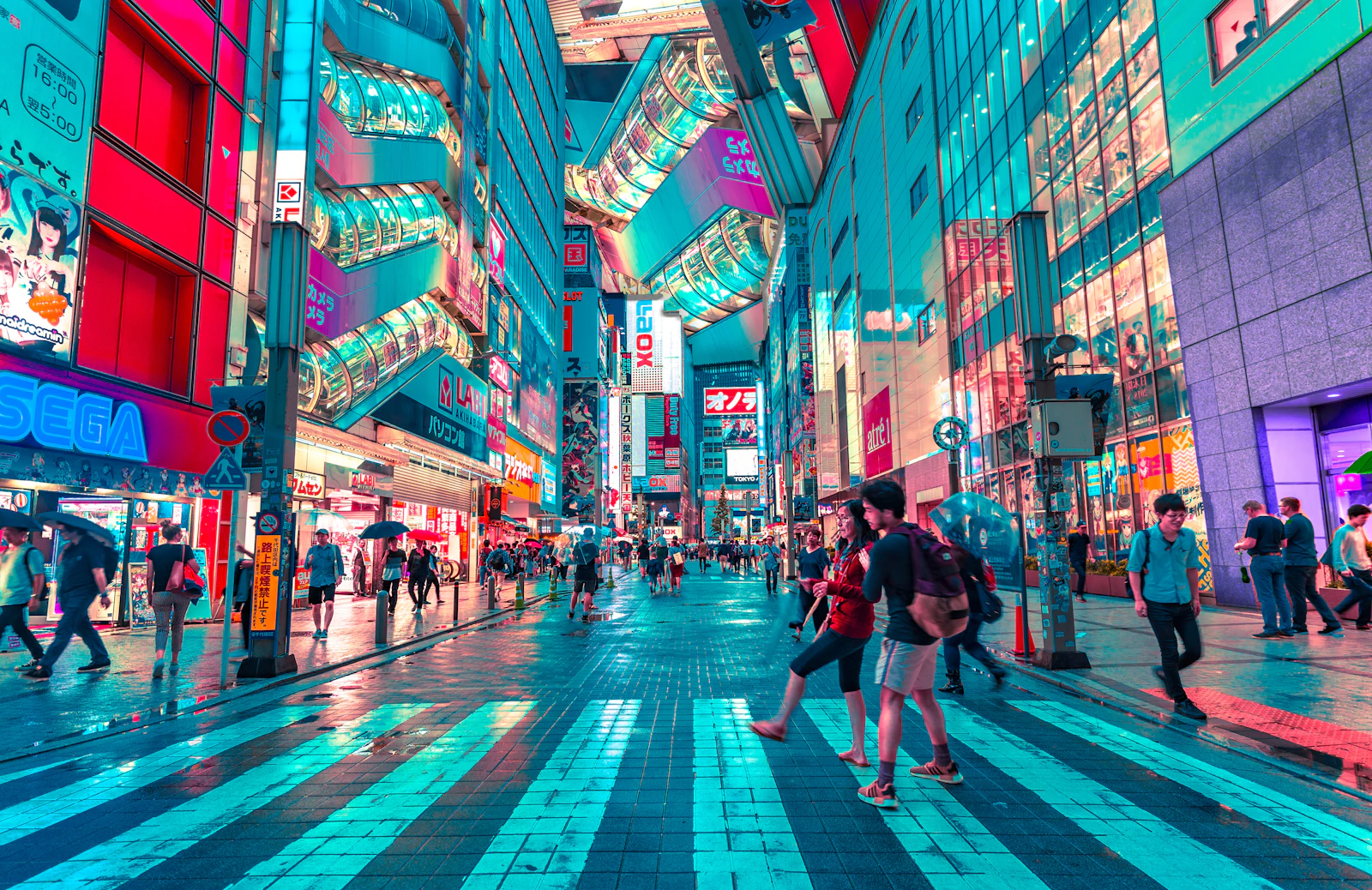
Neon-lit street in Akihabara, Tokyo

Cities, craft and changing landscapes

Japan Trip Planner: 7, 10 or 14 Days

Use this Japan trip planner to choose a realistic route before filling each day. A first journey usually works best with two or three bases: Tokyo for big-city neighborhoods, Kyoto for historic districts and gardens, and Osaka for food, nightlife and an onward transport hub. Keep long-distance moves together and avoid changing hotels every night.

Customize with AI

Choose the right scope

How long to spend in Japan

  • 7 days · Tokyo plus one regional base
  • 10 days · Tokyo, Kyoto and Osaka
  • 14 days · Add Hiroshima, the Japanese Alps or Kyushu

Tokyo

Allow three or four days and group east and west Tokyo on separate days to reduce backtracking.
Kyoto and Nara

Use Kyoto for at least two full days; add Nara as one focused day trip rather than another hotel change.

Osaka

Add one or two nights for food districts and contemporary city energy, or visit from Kyoto when time is limited.

Hakone or Fuji Five Lakes

Choose one—not both—for scenery and a slower overnight between Tokyo and Kansai.

Set the rhythm

Choose a travel pace

Relaxed

Choose Tokyo plus Kyoto, stay at least three nights in each base and keep Osaka as a day trip or a future journey.

Balanced

Link Tokyo, Kyoto and Osaka, with one slower day or regional side trip and no more than three main bases in ten days.

Packed

Add Hiroshima, the Japanese Alps or another region only with 14 days and a deliberate long-distance rail sequence.

A useful starting point

Sample Japan itinerary

This editorial sample shows one sensible flow. Customize it around your dates, energy and interests.

Day 1

East Tokyo

Morning
Begin around Asakusa and the lanes near Sensō-ji.
Afternoon
Continue through Ueno for museums, parkland or market streets.
Evening
Choose a dinner area around Ueno, Ginza or Tokyo Station rather than crossing the city again.
Day 2

West Tokyo

Morning
Start near Meiji Jingu before the surrounding districts become busy.
Afternoon
Walk through Harajuku and Omotesando, then continue toward Shibuya.
Evening
Explore Shinjuku at street level or choose a quieter neighborhood meal.
Day 3

A change of pace

Morning
Travel to Hakone for mountain scenery or Kamakura for temples and coast.
Afternoon
Keep the route compact around one area rather than collecting distant stops.
Evening
Return to Tokyo, or stay overnight in Hakone if the wider itinerary allows.
Alternative
In poor weather, use the day for a focused Tokyo museum and food district.
Day 4

Kyoto’s eastern districts

Morning
Travel to Kyoto, store your luggage and begin in Higashiyama.
Afternoon
Link a small number of temples and traditional streets on foot.
Evening
Walk near Gion or the Kamo River, respecting residential areas.
Day 5

Kyoto beyond the headline sights

Morning
Choose Arashiyama early or explore the city’s northwest.
Afternoon
Return through a market or craft-focused district.
Evening
Finish with an unhurried meal close to your accommodation.
Day 6

Nara or a slower Kyoto day

Morning
Choose a focused Nara day trip, or keep the morning in a Kyoto district you have not yet explored.
Afternoon
Stay within the same area instead of adding another distant attraction.
Evening
Return to Kyoto for a quiet riverside walk or an early meal.
Day 7

Osaka and the journey onward

Morning
Travel to Osaka and leave luggage before exploring one compact central district.
Afternoon
Choose a food market, museum or neighborhood walk that matches your interests.
Evening
Finish in an Osaka dining district, or continue to the airport only with a comfortable travel buffer.
Alternative
For a slower seven-day trip, remain in Kyoto and save Osaka for a longer itinerary.

Before you lock it in

Practical planning notes

Suggested pace: balanced

Editorial review:

  • The Tokaido Shinkansen links Tokyo, Kyoto and Shin-Osaka; remember that Shin-Osaka is a separate station from the main Osaka/Umeda area.
  • Reserve long-distance rail seats when your route, luggage or travel period makes certainty important, and verify current oversized-luggage rules with the operator.
  • Temple, museum and attraction access can change seasonally; confirm official information before each day.
  • An open-jaw flight can avoid returning to Tokyo after a multi-region trip, but compare the international airport and ground-transfer options before booking.

Make it personal

Customize your Japan itinerary

Use your own dates, interests, budget and travel pace.

Personal itinerary

Checking planner availability…

What are you interested in?
Travel pace

Continue planning

Rutaiva carries over supported trip context. Search and booking continue with the identified provider.

Prepare the details